

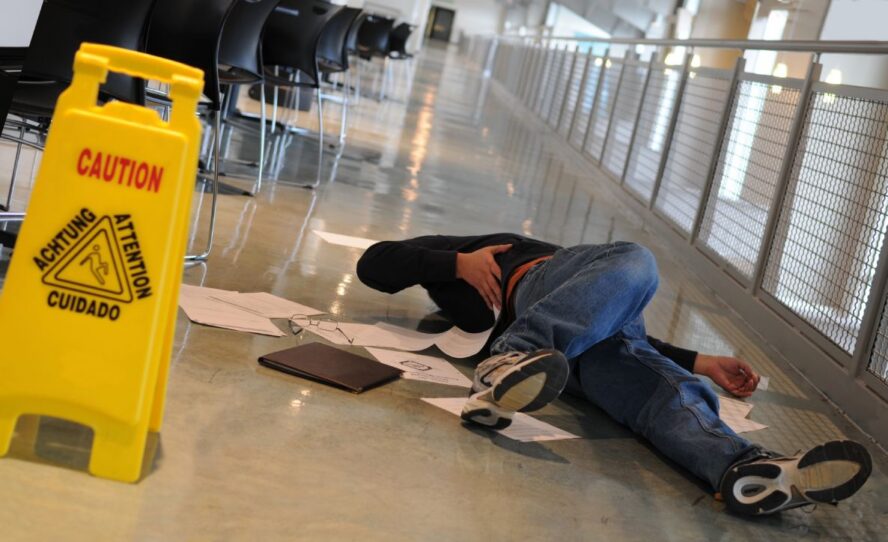
A slip and fall can happen in seconds, but the decisions you make afterward can shape your situation for months. These cases often look straightforward and turn out to be anything but. What you do in the hours and days following a fall can either strengthen your position or quietly undermine it.
We see the same missteps come up again and again. Our friends at The Edelsteins, Faegenburg, & Blyakher LLP discuss how easily a valid claim can lose ground when someone acts without good information. A slip and fall lawyer often spends as much time correcting early mistakes as building the case itself, so knowing what to avoid puts you ahead from the start.
Skipping Medical Attention
The most common mistake is waiting to see a doctor. People feel shaken but assume they are fine, then symptoms surface days later. By then, the gap between the fall and the diagnosis becomes something an insurer can use against you.
Prompt medical care does two things at once. It protects your health, and it creates a record that ties your injuries to the incident. Some injuries, including concussions and soft tissue damage, are not obvious right away. A timely evaluation captures them before anyone can argue they came from somewhere else.
Failing to Document the Scene
Conditions that cause a fall rarely stay the same. A wet floor gets mopped. A broken step gets repaired. A spilled product gets cleaned up. Once that happens, proving what caused your fall becomes far harder.
If you are able, gathering information at the scene matters. Useful steps include:
- Photographing the hazard and surrounding area
- Noting the date, time, and exact location
- Getting names and contact details of any witnesses
- Reporting the incident to a manager or owner
Even a few photos taken on a phone can carry real weight later when memories fade and conditions change.
Misunderstanding Who Is Responsible
Many people assume that simply falling on someone’s property means that party is automatically at fault. That is not how these claims work. Property owners owe a duty of reasonable care, and liability usually depends on whether they knew about a hazard or should have known and failed to address it.
This is where premises liability law comes into play. You can read a general overview of premises liability principles to understand the framework. Establishing that an owner was negligent, rather than just present, is often the heart of the case.
Comparative Fault Can Reduce Recovery
Another piece people overlook is their own role in the fall. Many states reduce compensation based on the percentage of fault assigned to the injured person. Wearing improper footwear or ignoring a posted warning can factor in. An attorney familiar with these claims knows how to address those arguments before they take hold.
Talking Too Much to the Insurer
After a fall, an insurance adjuster may reach out sounding helpful and concerned. It is easy to relax and say more than you should. Casual statements about feeling okay or speculating about what happened can be taken out of context and used to minimize your claim.
You are not required to give a recorded statement on the spot. Providing only the basic facts and declining to guess about details protects you. What feels like polite conversation can quietly become evidence against your interests.
Waiting Too Long to Act
Time works against these claims in more ways than one. Evidence fades, witnesses become harder to reach, and every state sets a deadline for filing known as the statute of limitations. Miss that window and the right to pursue a claim can disappear entirely, no matter how strong it was.
Acting sooner rather than later keeps your options open. It also gives an attorney room to investigate while the trail is still fresh, which often makes a meaningful difference in the outcome.
Protecting Your Claim From Day One
Avoiding these mistakes does not require legal training, just awareness and a willingness to act thoughtfully. Get medical care, document what you can, watch what you say, and do not let the clock run out. If you have been injured in a fall caused by someone else’s negligence, consider speaking with a qualified attorney who can review the specifics and help you understand the path forward.