
Legal Assistance With Your Recovery After an Accident
If you were hurt in an accident that was caused by another individual or entity, then we advise speaking with our Greensboro, NC personal injury lawyer as soon as possible. We have experience representing victims of personal injury accidents and can come to your aid immediately. As a victim of a personal injury, you should not have to deal with the financial consequences though. The last thing you should be going through is the burden of figuring out how to recoup your losses. Hiring our personal injury attorney can help you better manage the difficulties of a personal injury claim. Your chances of success will be much higher. For more information, call Garrett, Walker, Aycoth & Olson, Attorneys at Law to set up a free consultation with our experienced Greensboro attorneys.
Table of Contents
- Legal Assistance With Your Recovery After an Accident
- Compensation for Your Losses
- Common Personal Injury Accidents
- Greensboro Personal Injury Infographic
- Greensboro Personal Injury Statistics
- Greensboro Personal Injury FAQs
- Greensboro Personal Injury Glossary
- Garrett, Walker, Aycoth & Olson, Attorneys at Law, Greensboro Personal Injury Lawyers
- Contact Our Greensboro Personal Injury Lawyer
What To Do Following A Personal Injury Accident
After you were in an accident where someone else’s negligence injured you, you may be wondering what steps you can take to seek justice. Soon after the accident, there are certain things that you should be doing if you are hoping to prepare for a personal injury case. One of the worst things you can do after an injury is wait and see. You may be thinking that you will see if your injuries are bad enough or see if you start feeling better after a couple of days before you seek out medical attention. However, this is one of the most dangerous things you can do.
Immediately after the accident, you should get medical attention. It does not matter if you are “barely injured” or have not started to feel any pain yet. The only way to be certain that you are okay following an accident is to seek help from a medical doctor who can properly evaluate you. Many internal injuries are not obvious immediately which could put your life in danger if you do not get help.
Additionally, it is a good idea to get as much evidence as possible from the accident scene, if you can do so. This means that you may want to take pictures, get contact information from anyone who may have seen the accident, get the contact information of the other party involved in the accident, and even call emergency services.
Days/Weeks After The Accident
In the days and weeks following your personal injury accident, it would be prudent to avoid speaking to other people about the accident or posting about it on social media. You should be open and honest about what happened and how you are doing with our lawyer and your doctor. Your family and friends will likely want to know what happened and how you are doing, but avoid publicly talking about it and avoid giving away too many details. If you post on your social media that you are “doing fine” after the accident or “healing well,” an insurance agent has the power to find out that you said this and use it against you when you are hoping to seek damages for medical bills or future medical expenses.
You should also be using this time to begin working with our personal injury lawyers so that we can be gathering evidence for your claim and negotiate with the insurance agents on your behalf. Our lawyer will work with you to gather as much evidence as possible, like your medical records, surveillance videos, and statements from people who witnessed the accident. We will also understand the statute of limitations regarding personal injury cases in your state and know when you need to get all your paperwork in.
Compensation for Your Losses
At the core of personal injury law is the principle that individuals who suffer harm due to someone else’s negligence are entitled to compensation. This encompasses a wide range of incidents, including, but not limited to, car accidents, workplace injuries, medical malpractice, and slip-and-fall accidents. Our job as your personal injury attorney involves assessing the specifics of your case, determining liability, and advocating for your right to fair compensation.
Types of Compensation Available
Compensation in personal injury cases generally falls into two categories: compensatory and punitive damages. Compensatory damages are meant to make the injured party “whole” again, covering medical expenses, lost wages, pain and suffering, and other losses directly related to the injury. Punitive damages, while less common, are awarded in cases of egregious negligence to punish the wrongdoer and deter similar conduct in the future.
Medical Expenses
One of the primary concerns for our clients is the coverage of medical expenses incurred due to the injury. This can include hospital stays, surgeries, medication, physical therapy, and any long-term care needs.
Lost Wages and Earning Capacity
Many of our clients face significant financial strain due to time off work and, in some cases, the inability to return to their previous employment. We work diligently to recover lost wages and, if necessary, compensation for diminished earning capacity, advocating for a settlement that reflects both current and future financial losses.
Pain and Suffering
While harder to quantify, compensation for pain and suffering is a critical component of many personal injury claims. This encompasses the physical pain and emotional distress experienced as a result of the injury. Our experience allows us to effectively argue for fair compensation that acknowledges the full extent of your suffering.
Settlement Negotiations
Most personal injury cases are resolved through settlement negotiations with the responsible party’s insurance company. Our skilled negotiators aim to achieve a settlement that fully compensates you for your losses without the need for a lengthy court battle.
Litigation
In instances where a fair settlement cannot be reached, we are prepared to take your case to court. Our seasoned litigators are adept at presenting compelling arguments and evidence to juries, striving to secure the compensation you rightfully deserve.
Common Personal Injury Accidents
Personal injury accidents can happen anywhere, from commercial shopping areas to busy intersections, to public parks and hospitals. A personal injury accident is a situation that results in a victim suffering bodily harm as a result of another individual’s negligent action whether they were deliberate or unintentional. Victims have a right to choose to file a claim against the at-fault party if they suffered significant losses. However, not every scenario qualifies as a personal injury, and it can be difficult to tell if you are entitled to recover damages. If you aren’t sure whether your situation calls for contacting our lawyer, here are examples of the most common personal injury accidents:
- Car Accidents
By far the most frequently filed personal injury claims are for car accidents. Millions of people every year are injured in car collisions, and unfortunately, most of these are caused by reckless drivers. There are many types of car accidents, such as head-on collisions, rear-end accidents, T-bone accidents, and rollover accidents. They often occur due to distractions, negligence, drunk driving, racing, poor weather conditions, and other causes. If you have been a car accident victim, you should talk to our experienced car accident lawyer so that we can determine the damages you may be owed. Don’t dismiss your chance to recover the compensation that you rightfully deserve. Victims can file a claim to help them recover loss from medical bills, vehicle damage, and missing work.
- Dog Bites
Many people love their dogs and are responsible pet owners. But for those that aren’t, they are potentially putting the public at risk for serious harm. A poorly socialized dog may bite or attack a person unprovoked, causing injuries such as soft tissue damage, infection, and mental trauma. The legal concept of strict liability applies in dog bite cases. This states that pet owners can be held liable if their dog attacks or harms a person or animal. Owners are required to make sure that their pet is trained properly or properly enclosed in a fenced area such as a backyard. A dog bite victim has a right to file a personal injury claim against the at-fault the owner and seek damages.
- Slip and Fall
Someone may get injured due to hazardous conditions on private or public property. Whether it’s spilled food, drink, or a puddle of water, many things can cause a slip and fall. They are highly dangerous because victims can suffer serious harm such as head injuries or traumatic brain injuries. In many slip-and-fall accident scenarios, the victim does not see the hazard.
- Wrongful Death
When someone dies because of another’s negligence, the surviving family can pursue a wrongful death claim in honor of their loved one taken too soon. Wrongful death accidents can be caused because of things like medical malpractice construction accidents, workplace accidents, and assault. The family of a deceased loved one can file special damages such as loss of consortium and funeral expenses if they are successful with a wrongful death claim.
- Medical Malpractice
We usually trust that doctors have our best in mind at all times, so when they fall short, it can leave us distrustful and angry. If a doctor or other medical professional makes a mistake, their patient can suffer needlessly. Not every instance of negligence in a healthcare setting amounts to medical malpractice, so these cases can be incredibly complicated and difficult to argue. You need an exceptionally skilled lawyer to prepare a successful medical malpractice case and help you recover the compensation that you deserve. Medical malpractice cases are challenging, but you can rest assured we aren’t afraid to go up against medical facilities and other large entities for our clients.
- Workplace Accidents
An employee may get hurt from malfunctioning equipment, unsafe working conditions, lack of training, and more. An employer must provide a reasonably safe environment for employees, regardless of the field type and inherent danger associated with the job. Protocols and proper protective equipment must always be used and enforced. If you believe you have been injured as a result of a workplace accident that was preventable, do not hesitate to meet with our lawyer to discuss your workers’ compensation and legal options. We will seek the facts and evidence to determine whether your employer can be held liable for the accident.
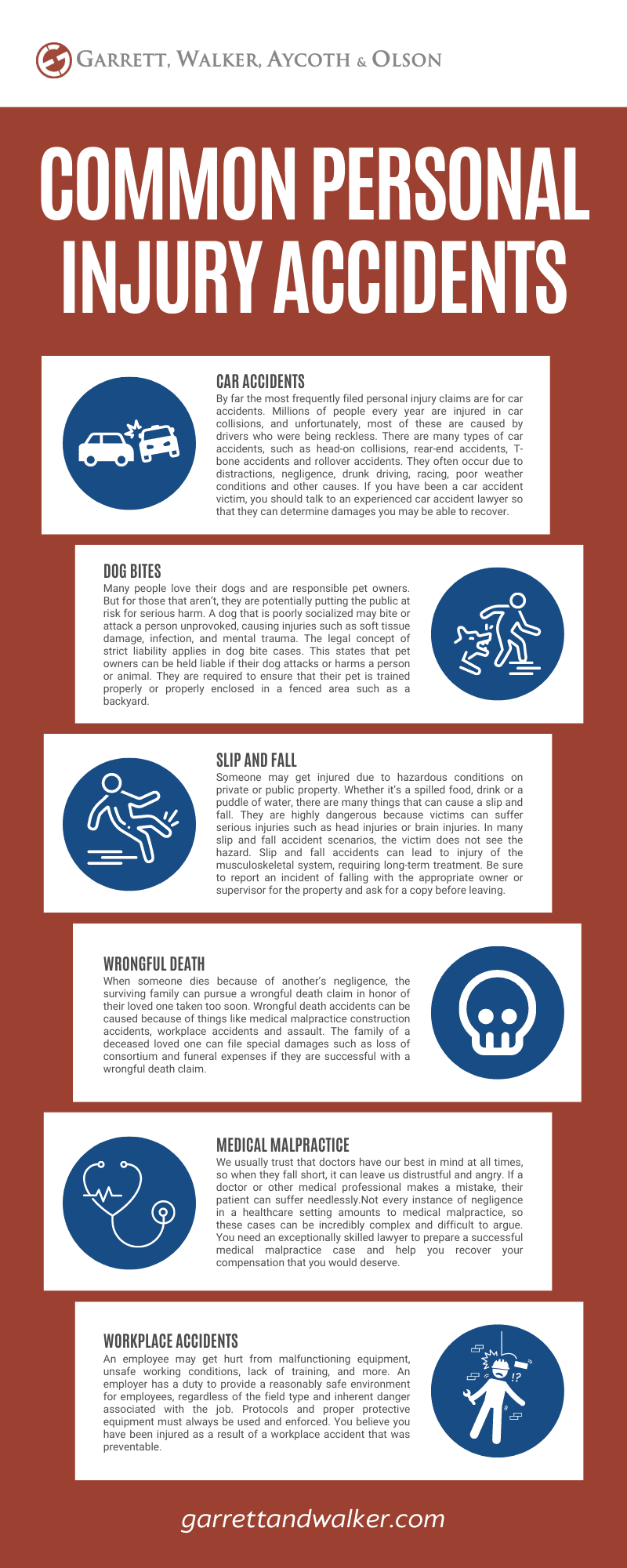
Greensboro Personal Injury Infographic
Greensboro Personal Injury Statistics
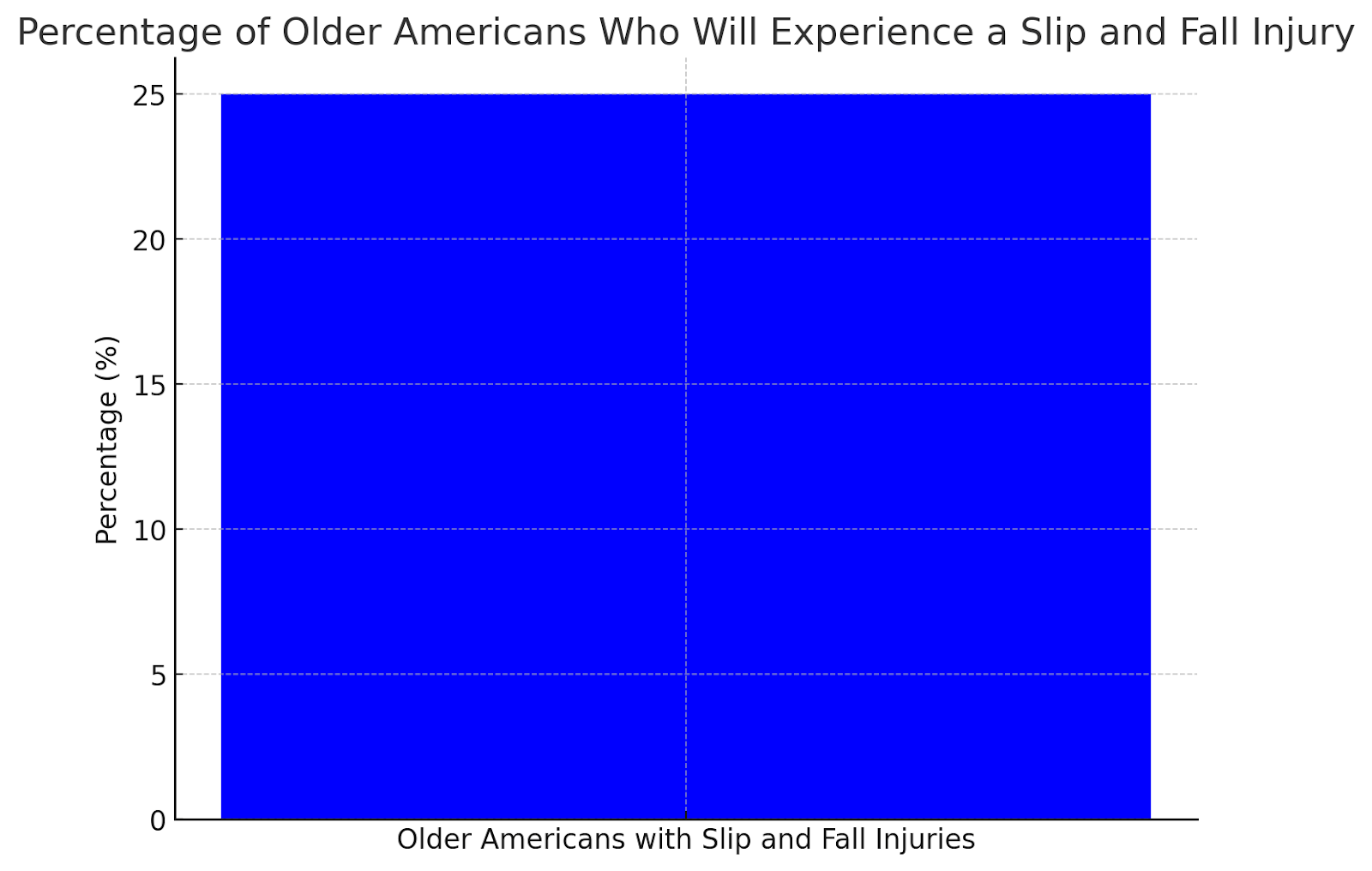
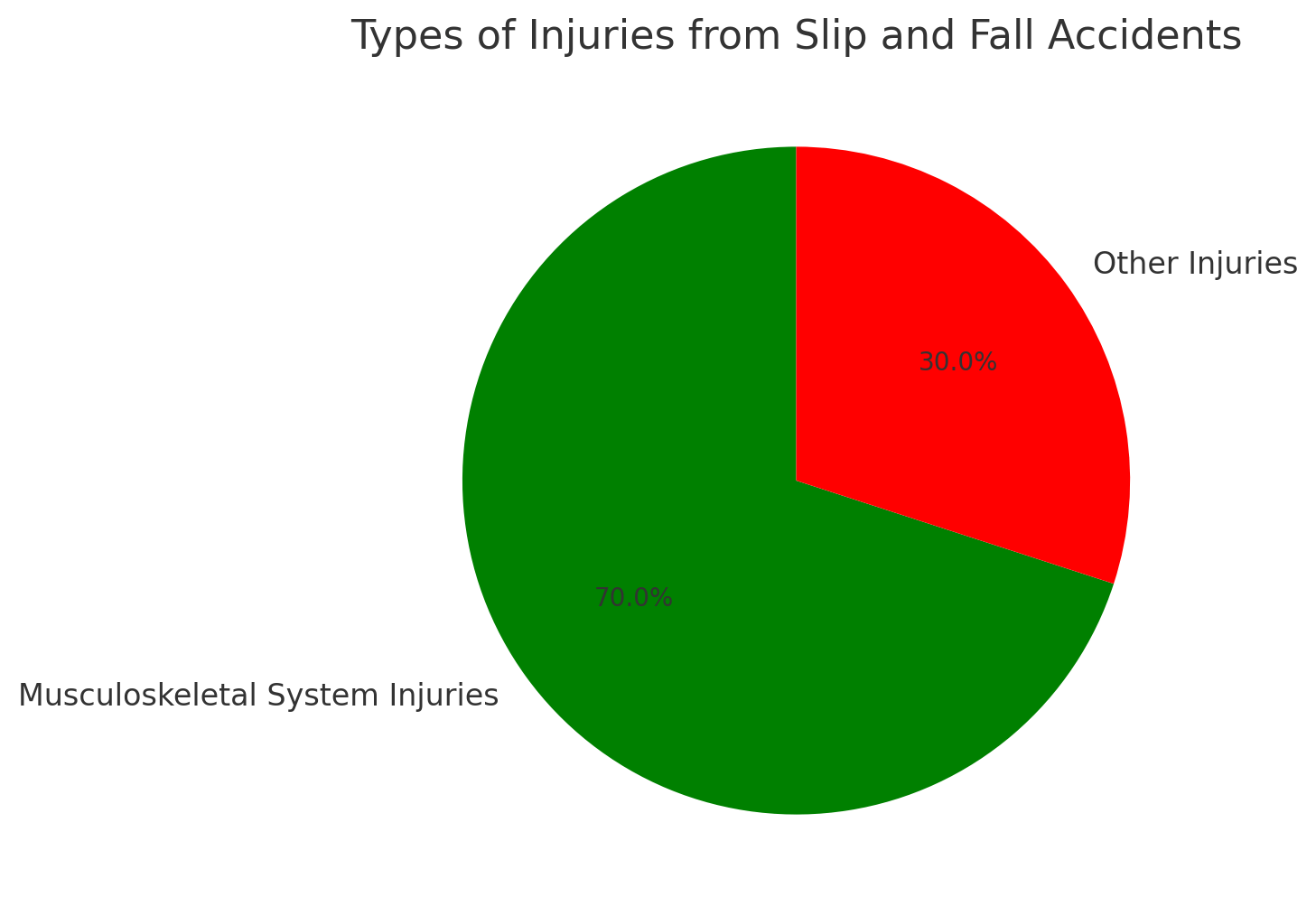
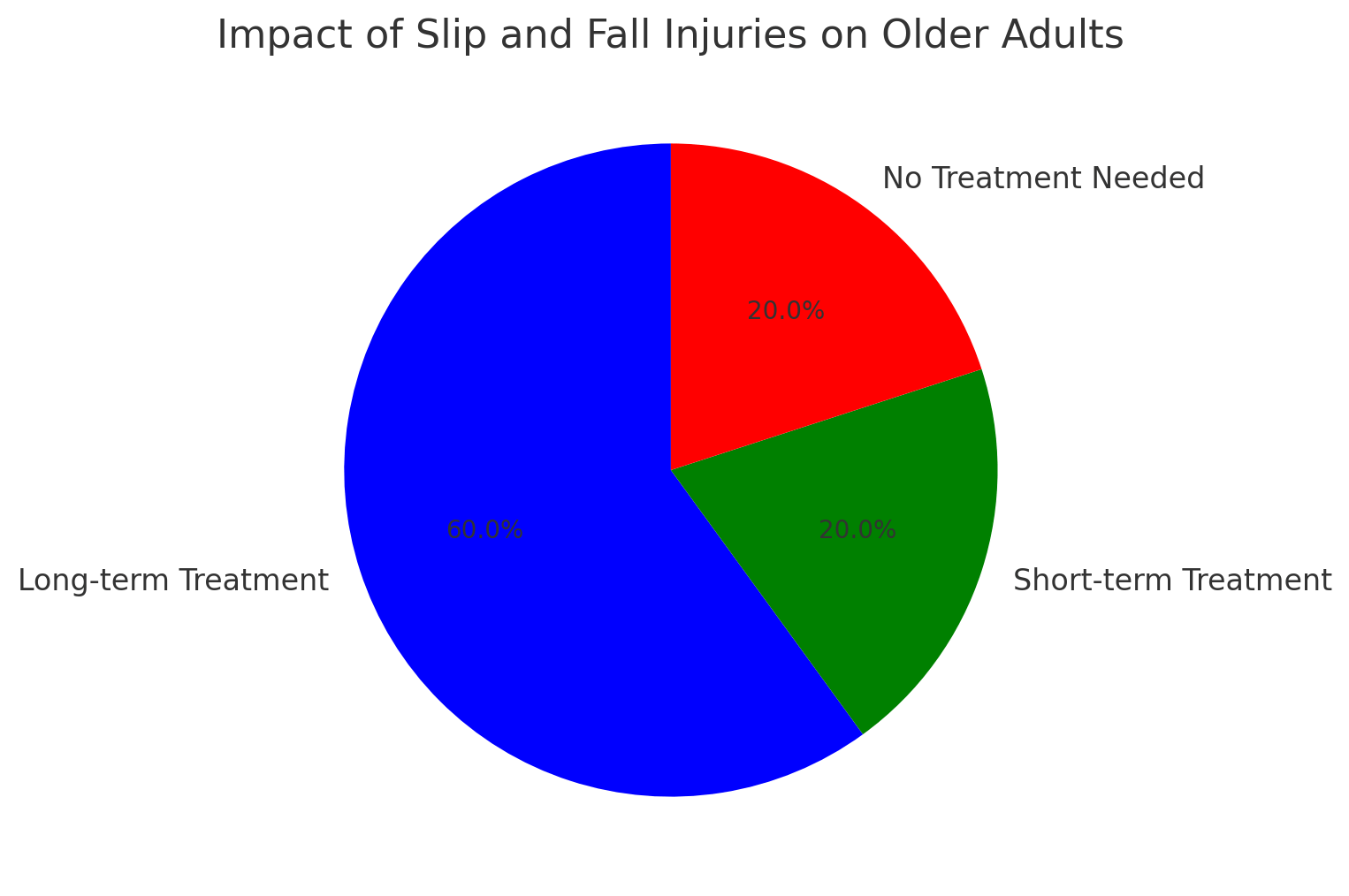
According to the CDC, one in four older Americans will experience a slip and fall injury in their lifetime. Slip and fall accidents can lead to injury of the musculoskeletal system, requiring long-term treatment. Be sure to report an incident of falling with the appropriate owner or supervisor for the property and ask for a copy before leaving. Then, contact our lawyer for help.
Greensboro Personal Injury FAQs
Do I Have Grounds For A Case?
When it comes to personal injury accidents, there will be a few elements that you have to prove. First, you’ll need to show that the at-fault party owed a duty of care to you in some way. Second, you have to prove that they breached this duty through either negligence, recklessness, or intent. Last, you’ll need to have evidence that shows you were directly injured and suffered quantifiable loss. The only way to know whether your situation gives you grounds for a personal injury case is to visit our lawyer for a case evaluation.
How Much Compensation Can I Get?
The amount you receive in compensation will depend on numerous variables. It isn’t possible to put an exact figure on all claims, but payment would entail reimbursement for bills and other ways you have experienced loss due to the accident. You may also be eligible for restitution for pain and suffering and mental health support. As someone who was injured by an at-fault party, you are entitled to pursue payment for property damage, medical care, diagnostics, hospitalization, prescriptions, lost wages, travel costs, rehabilitation, support equipment, and more.
Will I Have To Go To Court?
Many personal injury cases can be settled outside of court, however, we can prepare you for trial if needed. Usually, settlements can be reached before trial, but as long as you and our Greensboro law firm feels the amount is fair. If the other party and their insurance is unwilling to negotiate a settlement offer that covers your current and future costs, then going to trial may be recommended. By accepting a settlement it ends your case, so you won’t want to accept until the restitution offer is satisfactory.
Who Can Be Witnesses For My Case?
Those who can be witnesses for your case will depend on the accident and who was present at the time. For example, if you were in a car accident then the passengers who were with you or bystanders who came over to help can be used as witnesses in your case. Our lawyer will need to talk with these witnesses to make sure their statements boost your case and don’t hinder it. If no one was with you at the time of the accident, then loved ones or friends who saw the extent of your injuries or recovery can be influential too. It can help to present a list of potential witnesses that our lawyer can then review and recommend who to obtain official statements from.
Do I Need To Have A Lawyer?
While a lawyer is not required when you file a personal injury claim, it is strongly encouraged that you do so. Unfortunately, many victims don’t realize that their situation warrants legal action to begin with, so they may accept a speedy settlement offer from an insurance company that is actually much lower than what their claim is worth. Victims may suffer long-term physically and financially because they didn’t take legal action against the person at-fault. If you have questions that need answers, please just call us for the information you need.
Greensboro Personal Injury Glossary
At Garrett, Walker, Aycoth & Olson, Attorneys at Law, we help individuals who have suffered injuries due to another’s actions. Our Greensboro, NC personal injury lawyer provides guidance on the legal process and fights for fair compensation.
Maximum Medical Improvement (MMI)
Maximum Medical Improvement (MMI) refers to the point at which an injured person’s medical condition has stabilized and is unlikely to improve further with treatment. This does not necessarily mean the individual has fully recovered but rather that their condition is as good as it will get under current medical care. MMI plays a pivotal role in personal injury cases because it allows for a more accurate assessment of long-term medical expenses, lost wages, and other damages. Once MMI is reached, settlement negotiations or court proceedings can move forward with a clear understanding of the injury’s long-term impact.
Comparative Fault
Comparative fault is a legal doctrine used to determine how compensation is awarded when multiple parties share responsibility for an accident. In North Carolina, the strict contributory negligence rule applies, meaning that if a plaintiff is found to be even 1% at fault for their injury, they may be barred from recovering compensation. This makes it especially important for those pursuing a claim to have strong legal representation to counter any claims that they were partially responsible for the incident. Even a small mistake at the scene or after the accident could impact your ability to recover damages.
Subrogation
Subrogation is the process by which an insurance company seeks reimbursement for medical expenses or other costs it has paid on behalf of an injured party. If an injured person receives compensation from the at-fault party, their insurance provider may have a right to recover a portion of the settlement. Subrogation claims can significantly affect the final amount a plaintiff receives, so understanding these claims and how they impact a personal injury case is essential when negotiating a settlement. Working with our lawyer can help minimize the impact of subrogation on your final recovery amount.
Independent Medical Examination (IME)
An Independent Medical Examination (IME) is a medical evaluation conducted by a doctor who is not involved in a patient’s treatment. IMEs are often requested by insurance companies or defense attorneys in personal injury cases to assess the severity of injuries and determine whether they align with the claims being made. The findings from an IME can influence settlement negotiations and courtroom proceedings, so it is important for injured individuals to discuss any requested examination with our attorney beforehand. IMEs are not always impartial, and the results may favor the insurance company rather than the injured party.
Pain Management Specialist Testimony
In some personal injury cases, a pain management specialist may provide testimony regarding an individual’s ongoing physical discomfort, treatment options, and long-term prognosis. Their testimony can be critical in proving the severity of injuries and justifying claims for pain and suffering compensation. Since chronic pain may not always be visible on standard medical scans, having a professional medical opinion strengthens the case for securing appropriate compensation. Pain management specialists can also explain the need for continued treatment, rehabilitation, and long-term care.
Garrett, Walker, Aycoth & Olson, Attorneys at Law, Greensboro Personal Injury Lawyers
317 S. Greene St, Greensboro, NC 27401
Contact Our Greensboro Personal Injury Lawyer Today
During a consultation, we will review your situation and evidence, and then inform you of your options moving forward. We may suggest taking legal action if you have sufficient grounds for doing so. Attorney Chad Garrett is the founder of our firm and he is dedicated to his clients. Our Greensboro personal injury lawyers at Garrett, Walker, Aycoth & Olson, Attorneys at Law, PLLC is ready to speak with you about taking on your case.
Client Review
“Jason is a great lawyer. Helped me out a lot when I ran into some minor trouble at school. Overall great guy and really talented lawyer. Highly recommend.”
Cole Ablow