

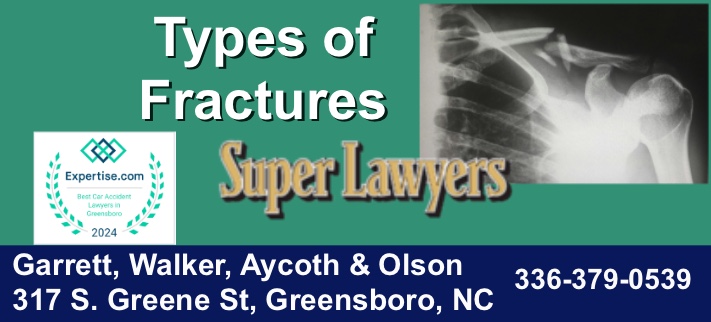
Types of Fractures: Understanding Injuries
A sudden crack. An accident that stops everything. Bone fractures are more common than many realize, and their variety is as wide as the circumstances behind them. Whether from a fall, traffic collision, sports injury, or unexpected twist, the way a bone breaks impacts both short-term treatment and long-term recovery. When a fracture occurs as a result of someone else’s actions, the layers of complexity only grow.
Understanding the different types of fractures can provide clarity in the midst of chaos. It can empower you to ask better questions, seek the right care, and know your rights when the injury stems from another’s negligence.
Let’s look closely at the many ways bones can break, how those injuries are classified, and why this knowledge matters beyond the emergency room.
The Fundamentals: What Is a Fracture?
Before diving into the types, it’s worth clarifying what makes a fracture distinct from other injuries. A fracture simply means a broken bone. This break can range from a slender crack to a bone literally splitting apart. In some cases, the bone pierces through the skin in what is known as a compound fracture (often used interchangeably with an open fracture); in others, the break is invisible without x-rays and may be referred to as a simple fracture when uncomplicated.
The human skeleton is a marvel of resilience, yet it remains vulnerable to forces that go beyond what it can take in a split second. Aging, osteoporosis, repetitive stress, and trauma all play their part.
Main Categories: How Fractures Are Classified
Fractures are not all created equal. Doctors classify them by:
- Shape or Pattern: How the bone fragments look and how they line up
- Cause: Trauma, stress, disease, or weakness in the bone
- Exposure: Whether the break pierces the skin
These categories steer treatment decisions and influence the healing timeline.
Open vs. Closed Fractures
This is the most urgent distinction. An open fracture—or compound fracture—means the broken bone has punctured the skin, exposing the wound to bacteria and dramatically increasing the risk of infection. Conversely, a closed fracturekeeps the bone and break beneath the skin, which generally allows for a safer and more controlled healing process. In many cases of closed, or simple fractures, the initial treatment involves immobilization with a cast, followed by careful monitoring.
Displaced vs. Non-Displaced Types of Fractures
When a bone breaks, its ends might move out of alignment. In a displaced fracture, the bone fragments are no longer lined up as they should be, often requiring surgery or interventions such as traction to re-align them. A non-displaced fracture leaves the bone in place, with the fragments maintaining their usual relationship to each other. Immobilization with a cast is a common treatment for non-displaced or simple fractures.
Here’s a brief table to illustrate these foundational classifications:
| Classification | Description | Typical Treatment |
|---|---|---|
| Open/Compound | Bone pierces the skin, risk of infection | Emergency care, surgery, possible use of traction |
| Closed/Simple | Bone breaks but skin remains intact | Splints, casting, sometimes surgery |
| Displaced | Fragments out of alignment | Surgery, pins/rods, casting, or traction |
| Non-Displaced | Bone remains aligned | Immobilization (often with a cast), rest |
The Spectrum of Fracture Types
Moving beyond the basics, bones can break in a variety of patterns, each requiring a specific approach to healing.
Transverse Fractures
A transverse fracture runs horizontally across the bone. Usually brought on by a direct blow or force perpendicular to the bone’s axis, this type is relatively simple and may heal well with basic immobilization and a cast, provided it is non-displaced.
Oblique Fractures
This type presents at an angle, slanting across the bone’s surface. Oblique fractures tend to be less stable than transverse fractures, and can happen when force hits the bone at a diagonal.
Spiral Fractures
A spiral fracture coils around the bone, often caused by a twisting force. These fractures commonly appear in sports injuries or accidents involving a rapid, forceful rotation—think of a foot planted firmly while the rest of the leg twists in the other direction.
Comminuted Fractures
In this case, the bone shatters into three or more pieces. Comminuted fractures are particularly complex and usually result from severe trauma such as car accidents. Treatment often involves surgery to piece the bone back together using pins, screws, or plates.
Greenstick Fractures
Children, with their flexible bones, are most prone to greenstick fractures. Here, the bone bends and cracks without breaking completely—much like how a green twig might snap on one side but remain intact on the other. A cast is often used in these cases to maintain proper alignment during healing.
Avulsion Fractures
When a small piece of bone attached to a tendon or ligament gets pulled away from the main bone, it’s called an avulsion fracture. This injury is frequent among athletes and those involved in high-intensity physical activity.
Compression (or Impacted) Fractures
Most often seen in the spine, compression fractures occur when a bone is crushed or collapses. Osteoporosis puts individuals at greater risk, but severe trauma can also cause these breaks.
Stress Fractures
Unlike most other types, stress fractures develop over time. Repetitive motion or overuse causes tiny cracks, commonly in the weight-bearing bones of the legs and feet. Athletes and active individuals should stay mindful of symptoms such as lingering pain or discomfort that worsens with activity.
Pathologic Fractures
When a bone weakened by disease breaks more easily than it should, the result is labeled a pathologic fracture. Cancers, infections, and osteoporosis are frequent culprits, diminishing the bone’s integrity.
Segmented Fractures
Here, the bone breaks in two places, creating a floating segment between the two ends. Segmented fractures represent a serious injury and often require surgical repair.
Fractures in Real Life: Common Sites and Scenarios
Some bones are broken more than others, simply due to daily activity, vulnerability, or accident patterns.
Here are common fracture sites:
- Wrists: Falling on an outstretched hand, especially common among children and the elderly.
- Hips: Older adults with osteoporosis face a high risk.
- Ankles: Sports and slips alike contribute.
- Collarbones: Common from falls or bike accidents.
- Vertebrae: Compression fractures, especially in people with weak bones.
- Ribs: Blunt trauma, whether from a car crash or a hard hit, often results in rib fractures.
In many accidents, more than one fracture type can present at the same time, requiring multifaceted care.
Recognizing the Signs
The hallmark of a fracture is pain, but other clues can point to a broken bone. Common symptoms include:
- Swelling, bruising, or tenderness
- Inability to move the limb
- Deformity (such as an unusual angle)
- Crepitus (a grating sensation)
- Numbness or “pins and needles” in the area
Prompt medical attention is vital, especially if there is any open wound, loss of sensation, or signs of shock. X-rays are essential in confirming the diagnosis and helping doctors decide whether additional treatments, such as traction or a change in the cast, are needed.
Impact on Recovery and Daily Life
Not all fractures heal the same way. The healing process varies based on several factors:
- Type and severity of fracture
- Age and overall health
- Location of the break
- How promptly treatment begins
Some breaks take weeks, others months. Complicated fractures might require physical therapy or ongoing care to achieve a full return to normal function. Casting, traction, or a combination of both may be used during the recovery phase to ensure the bone heals correctly. The emotional and financial burden—lost work, medical bills, lifestyle changes—can often outweigh the initial trauma.
When Negligence Causes Injury
Accidents happen, but many are avoidable. Fractures from car crashes, falls on unsafe property, workplace mishaps, or injuries caused by defective products might all trace back to someone’s failure to act responsibly.
If another person’s oversight or hazardous behavior caused the injury, this opens the door to compensation for not only immediate medical costs but:
- Lost income and earning capacity
- Ongoing medical needs such as surgery, physical therapy, or changes in a cast
- Pain and suffering, both physical and emotional
- The impact on your ability to enjoy daily life
Civil law grants protection and recourse to those injured by others. The path forward can feel daunting—medical recovery alone is hard enough, before adding insurers, paperwork, and legal complexities.
Legal Advocacy You Can Depend On
The team at Garrett, Walker, Aycoth & Olson, Attorneys at Law, stands with those facing difficult recoveries after a fracture caused by someone else’s actions. Our firm combines legal strategy and compassion. We listen carefully, gather evidence, and build a case that reflects the true impact of your injury.
- Thorough case assessments to establish responsibility
- Engagement with medical providers to document injuries, including results from x-rays and observed symptoms
- Skilled negotiations with insurance companies
- Willingness to take your case to trial to secure what you deserve
Serious injuries require serious support. A broken bone marks the start of a new set of challenges—but not one you have to meet alone. If you or a loved one has suffered a fracture due to another’s negligence, the personal injury lawyers at our law firm is here to provide guidance, pursue justice, and help restore what’s been lost. Let us work for you while you focus on healing.