

Workers Compensation Lawyer Greensboro, NC
When it comes to workplace injuries, navigating the complex landscape of workers’ compensation can be daunting. At Garrett, Walker, Aycoth & Olson, we understand the challenges you face after a work-related injury, and our dedicated workers’ compensation lawyers are here to guide you through the process.
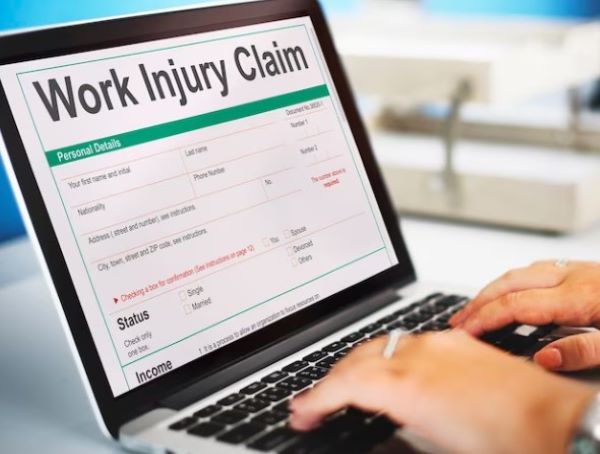
Understanding Workers Compensation
Workers’ compensation and social security are safety nets designed to provide financial support and medical benefits to employees injured on the job, often referred to as workers’ comp. In North Carolina, employers with three or more employees are required by law to carry workers’ compensation insurance. It’s essential to realize that filing a workers’ compensation claim is not an adversarial action against your employer; it’s a means to access the insurance coverage and potentially reach a settlement intended to assist individuals like you who have suffered work-related injuries.

Protecting workers rights is also a critical component of navigating workers’ compensation claims. Ensuring that your rights are upheld throughout the process can make a significant difference in the outcomes you achieve. This includes the right to receive appropriate medical care, the right to fair compensation for any permanent injuries, and the right to return to work without facing discrimination or retaliation from your employer. Our lawyers are committed to standing up for your rights at every step.
Common Workplace Injuries
Select a workers’ compensation lawyer who genuinely understands your situation and is committed to achieving the best outcome for your claim.
In Greensboro, NC, our skilled legal team is not only well-versed in the intricacies of workers’ compensation law but also driven by a deep sense of empathy and dedication. We treat each case with the meticulous attention it deserves, ensuring that every client’s rights are thoroughly protected and advocated for effectively.
Right from the initial consultation, we aim to demystify the workers’ compensation process, clarifying every step so you can focus on your recovery. Our approach is tailored to your unique needs, drawing on our extensive experience to build a strong case that stands up to scrutiny.
With our unwavering support, you can face the future with confidence, knowing that a trusted ally is fighting for your rightful compensation. We are relentless in our pursuit of justice, combining legal acumen with compassionate counsel to secure the financial stability you need to move forward.
Slip and Fall Accidents
Choosing Garrett, Walker, Aycoth & Olson ensures you have a steadfast advocate who meticulously handles your workers’ compensation case, demystifying complex legal nuances and focusing on your unique needs. Our Greensboro-based team combines extensive experience and empathetic representation to secure your rightful compensation, providing unwavering support and peace of mind. From slip and fall accidents to other workplace injuries, every step of your case is tailored to withstand rigorous scrutiny. By partnering with us, you benefit from a relentless pursuit of justice, ensuring robust financial stability for your future. Trust in our dedicated legal expertise to navigate this challenging period, while you concentrate on healing and recovery.
Repetitive Strain Injuries
With Garrett, Walker, Aycoth & Olson by your side, you can confidently navigate the workers’ compensation process, ensuring robust advocacy, personalized attention, and the financial stability you need to focus on recovery.
Workers Compensation Laws in North Carolina
You deserve a seamless navigation through workers’ compensation.
Our team offers not only expertise, but also a profound sense of empathy. They tirelessly ensure your rights are protected. Each client’s case is handled with meticulous attention to detail and expertise.
Confidence is born from understanding.
Know that your trusted ally fights relentlessly for the compensation you rightfully deserve. We combine legal prowess with compassionate counsel, ensuring your pathway to recovery is financially stable and secure.
Benefits of Hiring a Workers Compensation Lawyer
At Garrett, Walker, Aycoth & Olson, our expert workers’ compensation lawyers diligently ensure your rights are protected throughout the claims process, providing personalized attention and understanding. We meticulously manage every aspect of your case, applying our extensive knowledge to simplify the complex legal landscape. Our team’s empathetic approach means you can focus on recovery with confidence, knowing your financial stability is our priority. From slip and fall incidents to repetitive strain injuries, we relentlessly pursue justice, securing the compensation you deserve. With unwavering support, we transform daunting challenges into manageable steps, empowering your journey to recovery and peace of mind.
Expert Legal Advice
Choosing Garrett, Walker, Aycoth & Olson ensures meticulous handling of your workers’ compensation case, providing unwavering support, legal expertise, and personalized attention, allowing you to focus on recovery with confidence.
Maximizing Your Compensation
Selecting Garrett, Walker, Aycoth & Olson means securing a steadfast legal advocate dedicated to meticulously managing your workers’ compensation case, safeguarding your rights, and maximizing your financial recovery in Greensboro, NC. Our experienced lawyers combine profound legal knowledge with compassionate care, ensuring your claims process is seamless and tailored to your unique situation. With us by your side, you gain unwavering support and confidence to focus on healing while we relentlessly pursue the justice and compensation you rightfully deserve.
How to Choose the Right Workers Compensation Lawyer
When navigating the complexities of workers’ compensation in Greensboro, NC, partnering with Garrett, Walker, Aycoth & Olson ensures you receive the meticulous legal attention your case deserves.
Our seasoned team of workers’ compensation lawyers is driven by a deep commitment to advocate for clients, ensuring their rights and needs are at the forefront.
We bring a blend of extensive legal expertise and compassionate counsel to each case, striving to secure the financial stability you need for a confident recovery.
With our dedicated support, you face a future with assurance, knowing that your pursuit of rightful compensation is in capable and caring hands.
Steps to Filing a Workers Compensation Claim
Injured at work and feeling overwhelmed? You’re not alone.
The aftermath of a workplace injury can be incredibly stressful and confusing, especially when faced with the intricacies of filing a workers compensation claim. With Garrett, Walker, Aycoth & Olson, you gain a steadfast ally who meticulously advocates for your rights, combines legal expertise with compassionate care, and ensures your pathway to recovery is financially secure.
In Greensboro, NC, having a steadfast advocate like Garrett, Walker, Aycoth & Olson by your side makes all the difference in navigating the complex landscape of workers’ compensation claims.
Our team understands the profound impact a workplace injury can have on your life and is committed to providing robust legal representation coupled with compassionate support. From the initial consultation to the resolution of your claim, we ensure every detail is meticulously managed, advocating fiercely to secure the financial compensation you deserve.
Navigating workers’ compensation laws requires not just expertise but also a depth of empathy. Our lawyers take the time to thoroughly understand your unique circumstances, crafting a legal strategy that is both rigorous and responsive to your needs.
By choosing Garrett, Walker, Aycoth & Olson, you entrust your claim to dedicated professionals who tirelessly fight for your rights. Focus on your recovery with confidence, knowing that we are passionately committed to ensuring you receive the justice and financial stability necessary for your future well-being.
Common Challenges in Workers Compensation Claims
Claim Denials
At Garrett, Walker, Aycoth & Olson, our dedicated team of workers’ compensation lawyers in Greensboro, NC, offer unmatched expertise and empathetic support to guide you through the complexities of your claim. We meticulously handle every aspect, from initial consultation to gathering evidence, ensuring your rights are protected and your pathway to recovery is financially secure. With our relentless pursuit of justice and personalized attention, you can confidently focus on your healing while we advocate tirelessly for the compensation you deserve.
Disputed Medical Evaluations
When you choose Garrett, Walker, Aycoth & Olson in Greensboro, NC, our seasoned team of workers’ compensation lawyers offers unmatched expertise and compassionate counsel to secure your rightful benefits and financial stability during recovery.
What to Expect During the Claims Process
Navigating the workers’ compensation claims process can initially seem overwhelming, but with the right legal support, it becomes a clear path to recovery. Trusting the seasoned professionals at Garrett, Walker, Aycoth & Olson means having experts who are dedicated to guiding you every step of the way.
In Greensboro, NC, our experienced workers’ compensation lawyers bring a wealth of knowledge and an empathetic approach to your case. We meticulously handle all aspects, from reporting the injury to gathering crucial evidence, ensuring your rights are protected and your claim is robust.
Our priority is to simplify the complexities for you, allowing you to concentrate on healing. We stand by your side, relentlessly pursuing justice and securing the financial compensation you deserve. Confidence in our expertise means you can focus on a future of recovery and stability.
With Garrett, Walker, Aycoth & Olson, you don’t just navigate the challenges; you overcome them with strength and assurance, empowered to look forward to brighter days.
Tips for a Successful Workers Compensation Claim
Choosing the right workers’ compensation lawyer can significantly impact the outcome of your claim. It is paramount to partner with a legal team that not only possesses extensive knowledge but also demonstrates genuine empathy and commitment.
In Greensboro, NC, the firm of Garrett, Walker, Aycoth & Olson has built a reputation for meticulously handling cases and ensuring clients’ rights are staunchly protected throughout the process. Their approach blends seasoned legal expertise with compassionate care, making the daunting journey toward recovery more manageable for each client.
When facing the challenging aftermath of a workplace injury, you need a dedicated advocate who understands the complexities of workers’ compensation law. Comprehensive support from knowledgeable lawyers provides the necessary clarity and reassurance to focus on your health and recovery.
Whether dealing with slip-and-fall accidents or repetitive strain injuries, having an expert team allows you to face the claims process with confidence. They strive to simplify every legal nuance and build a robust case that can withstand rigorous scrutiny.
By entrusting your case to Garrett, Walker, Aycoth & Olson, you secure unwavering support in pursuing your rightful compensation. Their relentless dedication ensures you can look forward to a future of stability and peace of mind, turning challenging situations into stepping stones toward recovery.
Frequently Asked Questions About Workers Compensation
Navigating the complexities of workers’ compensation claims can be stressful. Below are some of the most common questions we encounter, providing you with clear, concise answers to help guide you through the process.
What is workers’ compensation?
Workers’ compensation is a form of insurance providing wage replacement and medical benefits to employees injured in the course of employment.
How do I report a workplace injury?
Report the injury to your employer immediately and ensure it is documented. Seek medical attention and follow up with a formal claim.
What types of injuries are covered?
Covered injuries include slip and fall accidents, repetitive strain injuries, and any injury caused by work-related activities.
When should I contact a workers’ compensation lawyer?
Contact a lawyer as soon as possible after your injury to ensure your rights are protected and your claim is filed correctly.
Can my workers’ compensation claim be denied?
Yes, claims can be denied for various reasons, including disputes over the injury’s cause or failure to report the injury promptly.
What if my claim is denied?
If your claim is denied, you have the right to appeal the decision. A workers’ compensation lawyer can help you through this process.
How long does the claims process take?
The timeline varies depending on the complexity of the case and the responsiveness of the parties involved. An experienced lawyer can help expedite the process.
Are all medical treatments covered?
Typically, all necessary and reasonable medical treatments related to the work injury are covered under workers’ compensation.
Can I be fired for filing a workers’ compensation claim?
No, it is illegal for an employer to retaliate against an employee for filing a workers’ compensation claim. If this occurs, legal action can be taken.
What happens if I can’t return to work?
If you cannot return to work due to your injury, you may be entitled to permanent disability benefits. A lawyer can help determine eligibility and secure compensation.
Medical Coverage and Disability Benefits
Following a workplace injury, your employer or their insurance company is responsible for covering the costs of necessary medical treatment. This treatment is aimed at restoring your health, facilitating your return to work, and alleviating any pain or discomfort. It encompasses not only the treatment of the specific body part directly impacted by your injury but also addresses any other medical conditions that may arise as a direct consequence of the initial injury. Additionally, you may be entitled to disability benefits to compensate for lost wages during your recovery period.

Promptly reporting your injuries to your supervisor and documenting them in writing is crucial. Take the initiative to record detailed accounts of the accident, including the names of potential witnesses. Seeking medical attention and clearly articulating the circumstances of the injury, especially its work-related nature, for your workers’ comp claim, is essential. Ensure that all relevant information, including details related to social security, and medical bills are submitted to your employer’s insurance company, and follow up diligently. You should receive a Form 19, providing confirmation that the insurance company acknowledges your claim’s existence. Simultaneously, filing a Form 18 with the North Carolina Industrial Commission is a vital step, even if your employer is aware of the incident. We strongly recommend seeking guidance from an experienced Workers’ Compensation Attorney before completing this form, as it holds significant weight in your case.
Workers’ rights are fundamental in ensuring fair treatment and safety for employees in the workplace. Familiarizing yourself with these rights can empower you to take appropriate action when necessary. From reporting unsafe conditions to pursuing compensation after an injury, understanding your rights helps protect your well-being and supports a safer working environment for everyone.
Workers’ comp benefits ensure that employees who suffer work-related injuries or illnesses receive appropriate medical care and monetary compensation for lost wages, sometimes resulting in a settlement. These benefits are essential for helping injured workers recover and return to their jobs without the added stress of financial burden, and they play a vital role in protecting workers’ rights. Having a clear understanding of workers’ comp and its provisions can significantly impact the outcome of your claim.
Timeliness and Claim Denials
Filing your claim within 30 days of the incident is advisable, but it’s essential to recognize that a failure to do so within this timeframe does not necessarily close your case. In North Carolina, you generally have up to two years from the date of the injury to file a workers’ compensation claim. When filing, provide a comprehensive account of your accident and resulting injury, leaving no pertinent information out. While it’s prudent to share a copy of your claim with your employer, it’s crucial to personally submit the claim; relying solely on your employer can be risky.
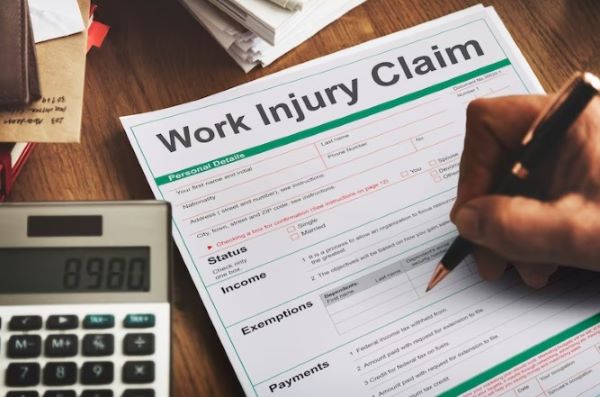
It’s not uncommon for valid workers’ compensation claims to face initial denials from employers or their insurance providers. Should you encounter such a situation, it’s essential to know that you have the right to appeal by filing a Form 33 Request for Hearing with the NC Industrial Commission. We highly recommend consulting one of our seasoned Workers’ Compensation Attorneys to guide you through this appeals process.
Occupational Diseases and Your Entitlements
In some instances, workplace injuries are not the result of a single accident but stem from prolonged exposure to hazardous materials, loud noises, or repetitive movements. These gradual injuries are categorized as Occupational Diseases and are also covered by workers’ compensation insurance.
Ensuring workers’ rights is a cornerstone of our practice. We believe that every employee has the right to a safe working environment and access to necessary medical and financial resources in the case of an injury. Our commitment extends beyond immediate legal assistance; we are deeply invested in advocating for fair treatment, just settlement, and justice for each of our clients. By upholding these rights, we strive to create a more equitable workplace for everyone.
In addition to workers’ compensation benefits, individuals who suffer long-term or permanent disabilities due to workplace injuries may also be eligible for Social Security Disability benefits. These benefits can provide crucial financial support when an injury prevents an individual from returning to work for an extended period. Our legal team can guide you through the process of applying for Social Security Disability to ensure that all eligible avenues of compensation are explored and maximized.

Why Hire Greensboro Workers Compensation Lawyers?
At Garrett, Walker, Aycoth & Olson, we are here to assist you at any stage of your workers’ compensation case. Our legal team is dedicated to ensuring that you receive the full spectrum of medical, wage, and disability benefits you are entitled to under the law. We understand that a workplace injury isn’t just a physical setback; it can also cause emotional distress and anguish for both you and your loved ones. Let us take on the legal complexities on your behalf, working tirelessly to help you regain your health and happiness.
Contact our Greensboro Workers’ Compensation Lawyers today. We are located at 317 S Greene St, Greensboro, NC 27401. Reach out to our Workers’ Comp lawyers at 336-379-0539 without delay. Our entire legal team is ready and willing to assist you in your journey to secure the support and benefits you need and deserve following a workplace injury.